VET CLINIC
In association with
Mark Andrews, BVM&S CertEP MRCVS, of
Equine Science Update
we are pleased to provide the latest Equine Veterinary Information
___________________________________________________
THE E.M.T. WORMING GUIDE
With so many different worming products on the market these days it can be a little bewildering and confusing knowing which one to choose - for what purpose and for how long it will remain "active". So we decided it would be very useful to produce a quick reference guide on the different worms which affect horses, what products are available, what they target and the dosage interval.
But why is there a need to worm in the first place?
Worm infestation can be the cause of a general lack of or loss in condition:-
- loss of performance
- poor appetite/weight loss
- lethargy
- dull coat
- general malady
Heavy infestations can be the cause of:-
- pot-belly appearance
- diarrhoea
- colic
- DEATH!
The secret of goodparasite control is to keep breaking the life cycle and prevent as many worm eggsas possible developinginto larvae and then growing on. So to achieve this owners need to follow a planned programme to ensure specific worms are targeted at the right time as there is, as yet, no one single drug which kills or inhibits every type of worm. Also efficiency is dependent upon the actual stage of the life cycle at which a drug is adminstered.
Consequently an effective worming programme needs to incorporate different drugs at different times to targetworms the different worms in their developing stages and adulthood. An effective worming regime is most definately aided by good pasture management i.e. regular removal of droppings, avoiding over-grazing, appropriate resting, weed control and feeding as well as grazing by cattle and/or sheep. The reason why cattle and sheep are so effective is because the worms that affect horses are what are termed "host-specific". That means they can only live inside a horse so when ingested by cattle or sheep, they die and so the life cycle is broken.
There is a cycle of infestation – the worms eggs are passed via the dung (a horse can pass up to 24 million larvae eggs a day!) in which they develop; the immature worms then clamber up blades of grass and get taken back into the horse's body. So the secret of parasite control is to break the life-cycles of the various worms.
Most worm development takes place within the gut but some actually burrow into the walls and then migrate throughout the body, getting into the arteries, liver and lungs where the damage they cause can have extremely negative effects on a horse's health.Remember though, that however effective your worming regime, whether it be a "chemical" programme or a "natural" one, your horse will always carry a certain number of worms in its system. This is ok, just as we have all sorts of nasties within our bodies in small doses. It's when worm levels get too high thatproblems arise.
A note re Foals
The worming of foals is essential so commence foal worming at the earliest possible age as very soon after birth they become infected with THREADWORMS (via mother's milk); these live in the intestine. Foals are also very prone to severe infestations of large roundworms must also be firmly controlled as such infestation can prove fatal.
If you have wormed mother shortly before foaling, then give baby its first wormer at 6 weeks and at appropriate intervals thereafter (depending upon the product used) until a least 12-18 months of age when they will have developed their natural immunity against large roundworms. If mother did not require worming close to foaling, then worm baby at two weeks of age to guard against threadworms especially . EQVALAN treats both the large roundworms and threadworms and is the only wormer recommended for foals of such a young age.
Wormer Resistance
This is where so much confusion amongst owners arises because there is so much advice floating around. Generally it is accepted that toavoid possible resistance developing, the type (containing different drugs) of wormer should be changed regularly rather than always using the same one. But it is the frequency of change is where some conflict arises.
- some schools of thought say that you should change drug type at every worming
- others say change drug type on a yearly basis
The theory behind changing on a yearly basis is to reduce the risk of resistance building up as frequent changes may actually speed up resistance developing, whereas the theory behind changing every time is just the opposite - frequent changes do not allow resistances to develop.
The drug companies themselves assure us that resistances have not been known to build up. However research has proven that there can be resistance to certain of the chemicals used in wormer products. Resistance to single doses of fenbendazole is well established and it is recommended that single doses of products containing fenbendazole should only be used in target worming and not for routine worming.
Resistance to pyrantel is also now confirmed as being prevalent but as yet there is no positive data regarding macrocyclic lactones so the use of invermectin and moxidectin based products as part of the routine working programme is recommended.
Other Considerations
Traditionally owners used to givea regular dose of a worming product every 6 to 8 weeks. This has resulted in the large redworm being very effectively controlled, butas advances have been made in veterinary science, we are all now aware of the dangers that other worms pose to our horses. For example, as the small redworm has a shorter life cycle than the large redworm dosing at 6 - 8 weekly intervals does not control them and it is these little devils that then encyst and cause severe problems when they "re-emerge". We also now know that we also have to give consideration to bots and the devastating effects of tapeworms.
So, now that we know we need to strategically worm for such things as encysted red worms, bots and tapeworms INTERVAL DOSING has become the most popular worming system i.e. regular dosing just slotting in specific target worming (eg tapeworm protection) at the appropriate times.
However there are other schools of thought that say we should worm by:-
STRATEGIC DOSING - which involves worming only during the Spring and Summer.
This method does not control tapeworms, bots, etc. but is thought to reduce the risk of resistance as there are much fewer drug doses administered in a year. However with this method it is very important to have strict pasture hygiene aidedsome grazing by cattle.
SELECTIVE DOSING - only horses with a known infestation (as confirmed by a faecal egg count) are dosed.
This method again reduces resistance risks because of the fewer doses given but also does not provide adequate protection against the major nasties and also carries the need for very strict pasture hygiene indeed.
NATURAL CONTROL - adheringto a very strict pasture management regime only.
This method is advocated as the combination of "semi-clean" pasture and the use of drugs is considered to be a sure-fire way of actually speeding up resistance developing.
Pasture Management
Harrowing fields to scatter dung is NOTan effective worm prevention measure as this just merely scatters the worm larvae over a larger area. Harrowing is only of benefit in very hot weather - the exposed larvae cannot survive in the heat. Grazing by sheep or cattle is very benefitial as the parasites that live so well within the horse cannot survive once ingested by other grazing stock - this is known as biological hoover effect. And on no account should fresh dung be scattered over grassland.
Regular removal of dung from grassland is of great benefit as it reduces the risk of re-infection. Paddocks should also be rested regularly.
So just what is the best course of action?
At this point (i.e. October 2007) we advise that the current general policy on worming is that too frequent dosing using different wormers i.e changing drug types on each occasion is NOT recommended.
However general advice is still that wormers should be changed on a rotational basis each year BUT more and more "experts" are advocating that the most effective way to minimise/reduce the risk of resistances building up is to actually use wormers that have long dosing intervals and obviously have no known resistance; this is a school of thought which we fully support and is totally in line with our views on the subject.
As wormers have become so highly developed in recent years with ever increasing dosing intervals this is a "positive" on two fronts - less wormer administered = lessened risk of resistance and less chemicals in the horse's body can only be a good move in general as, basically, chemicals are an alien addition to a horse's delicate digestive system and can upset the fine balances of friendly gut bacteria.
Being realistic, most owners are not ableto carry out an efficient, effective pasture management regime i.e. the removal of droppings at least every other day because of time constraints. Also a large proportion of the country's horses are kept at livery and it is just not feasible for yards to cater for differing worming strategies amongst owners; there has to be a uniformity to ensure protection.
So, as an owner you should work out a worming regime which fits to how your horse is kept - at grass, stabled, out by day all year round, summer grazed only, etc. but obviously if your horse is kept at livery you need to consult with the proprietor. You should also consult with your veterinary surgeon if in any doubt whatsoever about what to give and when or if someone else gives you advice that you are not sure about.
Here, weadvocate the use of wormers with thehighest intervals between doses so as to limit the "chemical intake", with strategic treatments for tapeworms, bots and encysted redworms. As we are entrusted with the care and management of other people's horses we naturally carry out aresponsible and effective worming programme.
New wormers seem to be appearing on the market with increasing regularity these days so keep an eye on equestrian publications for details.
General Points to Note
Worm all your horses at the same time and the same type of wormer
Dose accurately - know your horse's bodyweight>
Do not adminster doses more frequently than the stated interval
Do not overstock your pasture
Do not overlook the older horse - he is more vulnerable than his younger counterparts
Keep a record of when you wormed and with what
Worm all new horses to the yard BEFORE turning them out
Worm Counts
It is good management practice to have regular worm counts carried out to ensure against worm build up and of course to check the effectivenss of your worming programme.
If you use benzimidazole based wormers then it is advisable to have a faecal egg count done shortly after worming to ensure adequate dosing.
Blood testing is the only way to check the situation regarding the tapeworm burden and it is recommended that your horse is tested at 18 month intervals.
WORM TYPES
Large Red Worms (Strongyles)(Strongylus vulgaris)
The larvae of these worms domuch harm to a horse as the adultsas they damage the lining to the arteries, especially those of the gut. The adults, which are 2cm - 5cm in length, are a cause of colic and also suck blood, so heavy infestation can be a cause of anaemia. Fortunately these are much less common than small redworms and if you adhere to a strict worming regime, older horses do develop an immunity to these worms, so redworm infestation is more of a problem in the younger animal.
The lifecycle ofredworms is about 6 months during which time they migrate throughout the body, one species actually preferring the arteries using them like a motorway network. The movement of these worms through the guts walls causes alot of damage and clots can form.
Treat larve with: moxidectin, invermectin or use a 5-day course of fenbendazole based wormer. The adults will be zapped by all the most commonly used products, but optimal treatment time is late Autumn-December. Pure Praziquantel-based products are not effective against large red worms.
Small Red Worms (Strongyles); Encysted (Cyathostomes)
These make up the major proportion (at least 90%) of the worm infestation of horses and, as they are ingested during the course of grazing, the spring and autumn are theperiods of greatest risk when the weather is relatively mild and wet. However research has established that the larvae can be present in pasture during the winter months, even after snow! The adult worms lay eggs in the intestine which are they passed out in faeces; the grazing horse then ingests the larvae.
Redworm larvae develop into adults very quickly during the warmer weather (in just five weeks), but once the temperature drops a little in the autumn the development rate is slowed and an increasing number of the larvae take up their winter quarters by hibernating in the gut wall forming small cysts, making them very resilient and difficult to treat.Once "encysted" these worm larvae pose a very serious threat because they can trigger fatal diseases; even worse though, once they are prompted back to life (as yet, by an unknown trigger) anddecide to emerge, which is usuallylate winter/early spring, if they do this en mass, the consequences can be fatal because of the serious damage that is done to the intestine walls. It is important to despatch the encysted worms BEFORE they emerge.
The dangers of encysted redworms warrant a special note here. Bearing in mind that the mass emergence is late winter/early spring if your horse exhibits any of the following from about December time through to the spring, encysted redworm infestation could well be the cause:
swellings on the belly or in around the sheath areagradual/rapid weight loss
recurring bouts of colic that last up to 2/3 days at a time
diarrhoea - constant or intermittent
a bloated appearance to the belly
Also:
horses aged under 6 years and over 15 years of age are most at risk
dung samples will not necessarily contain any worm eggs
even horses regularly wormed can be affected by encysted redworms
REMEMBER that a worm count DOES NOT show up encysted larvae
High risk animals - youngstock and older/retired horses - should be given a second dose in February.
When to dose: November/early December when the larvae are dormant (encysted); preferably dose twice a year, especially higher risk animals.
Treat larvae/small worms in the gut with: invermectin or moxidectin
Treatwhen encysted with: moxidectin or a 5-day course of fendendazole. However the 5-day course is the best option to ensure a targetted and effective treatment. Given over a 5-day period the treatment is gentler on the horse's digestive system and helps reduce the risk of colic attacks when large numbers of the larvae are killed at one time. Also if the gut wall has been damaged to any degree, it is quite likely that the horse is also suffering from enteritis; a powerful wormer will of course cause considerable discomfort and colic can again be the result.
Ascarids(Large Roundworms) (Parascaris equorum)
These are very long worms (up to 50cms!) and as thick as a pencil commonly affecting foals and youngstock, as older horses do develop immunity. The eggs these worms produce – which they do so in very large numbers – have a tough coating which is adhesive so they literally stick to their surroundings, such as the coat. They have even been found on the walls and floors of stables.
Roundworm eggs hatch inside the intestine and the larvae migrate through the gut walls and into the veins.Once in the bloodstream they are transported to the lungs from where they are re-swallowed, because the horse coughs them up; Onceback into the small intenstine the larvae mature and start to wreak havoc.
Ascarid infestation causes inflammation of the liver and lungs; they obstruct the workings of the digestive system so a sudden bout of colic can be triggered; blockages and ruptures can prove fatal.
Tapeworm (Anoplocephala perfoliata)
Tapeworms are probably the most serious parasite of all and are a major cause of colic. They lurk where the small and large intestine meet (ileocaecal junction) and cause irritation of the bowel as well as rupturing of the intestine. They also affect the telescopic capacity (intussusception) of the intestines.
It was once thought that tapeworm infestation was a "grazing season" problem because the forage mite (which is the temporary host "victim" of the worm until it finds a horse) was only to be found out on pasture land; eggs of the tapeworm are eaten bytiny mites which live by their mega-thousands ingrass. These eggs then hatch inside the mites whichthe grazing horse cannot help but take in. Once inside the horse the larvae are "realeased" and their development continues.
However it is now known that this little mite is quite happy living in hay and bedding materials. This is why there is now the recognised requirement to dose twice a year (this applies to stabled horses as well) but the timing of dosing is critical to disrupt the tapeworm lifecycle; for a couple of months or so the worm lives inside the mite,horse eatsmite and a month latertapeworm is fully developed and living inside horse!
Horses grazing on land made of up acid soils are more likely to be more heavily infected as the mite loves the herbages that grow more readily in this sort of soil.
When to dose: Grass wintered horses – March and September
Winter stabled horses - June and October
Tapeworm protection should be slotted into yourworming programme i.e. regardless of the dosing interval of the product you are using, dose for tapeworm at the appropriate time and then carry on as if you had not administered another drug in between, although it is advisable to wait a couple of weeks after dosing for tapework before adminstering another product.
However, if you are of the mind that you would prefer to give your horse the least amount of chemicals possible, then the good news is that blood tests can now show up tapeworm infestation so your vet can advise whether it is really necessary to worm for tapeworm at all. If you choose this option, then it is recommended to have a blood test done annually.
PIN WORMS/SEAT WORMS (Oxyuris Equi)
More of an irritation than being actually harmful, these worms live in the colon and migrate to the rectum where they lay their eggs. The irritation they cause prompts skin and tail rubbing.
Treat with: All worming products are effective with the exception of those containing praziquantel.
BOTS (Gasterophilus)
As you know these are not actually worms, but larvae of the bot fly. The fly lays eggs on the horse's body particularly the legs and neck (but anywhere can be a suitable spot really as far as the fly is concerned). These cause a little irritation so the horse then bites them off and into the body they go. Once hatched, the larvae burrow into the internal body tissue and migrate their way to the stomach; many months later they are passed out in the dung. Bots can cause inflammation of the stomach wall, ulceration to thelining and, at worst, perforation leading to peritonitis, as well minor infections of the mouth and gums.
When to dose: Traditionally the Autumn - to kill the larvae which by this time will have migrated to the stomach - but dosing is really dependent upon the weather as ideally there should have been a frost so that the adult flies are killed off and the life cycle is broken, so with the milder weather, treatment is usually winter time these days. If "live"larvae are passed out via the droppings they can happily survive in the underground where they will pupate, so destroy the larvae, destroy the adults and bingo!
Treat with: invermectin or moxidectin. Also try to remove as many eggs as possible from the coat.
LUNGWORMS (Dictyocaulus arnfieldi)
As the name implies, these worms affect the workings of the lungs so cause respiratory problems such as coughing. Lungworm is usually a parasite carried byt donkeys although the majority of animals never show any sign of this burden. Diagnosis is a bit tricky as so few larvae pass lungworm larvae so a negative faeces sample does not necessarily mean all is well; most often a vet will rule out a viral or bacterial infection as the cause of coughing and then turn his attention to lungworm especially if the patient has grazed with or on pasture that has grazed donkeys.
Note that as yet no wormer effectively controls lungworm in donkeys and this is why so many owners are reluctant to mix horses with them on the same pasture.
Treat with: Invermectin or a double dose of fenbendazole
STOMACH HAIRWORMS (Trichostrongylus axei)
These tiny worms are not so common in the horse, usually affecting cattle, sheep, and pigs. However infestation can cause irritation and damage to the lining of the stomach leading to weight loss and/or diarrhoea.
When to dose: late autumn/early winter – after first frosts
Treatment effected within a redworm programme
LARGE MOUTHED STOMACH WORM (Habronema muscae)
As the name suggests the adult worms take up residence in the stomach. Hatching eggs (in dung) are picked up by feeding fly maggots, the hatched larvae then get picked up by flies and are transmitted to the horse.
Any larvae deposited on wounds or sores cause intense irritation to the point that the wound just refuses to heal - so-called "summer sores".
These are the worms that classically cause diarrhoea in foals which is extremely harmful to them. The worm larvae are passed to foals by the mothers' milk, so it is important to keep brood mares free of these parasites. A natural immunity to these worms is usually in place by about 6 months of age. Other symptoms of the their presence in foals is weight loss, dull coat and poor growth/development.
NECK THREADWORMS (Onchocerca spp)
The adults live in tendons and ligaments whilst the larvae live under the skin and are especially fond of the area around the eyes which can cause problems. When midges bite the skin they are feeding on these larvae.
Please note that in foals diarrhoea should always be considered as serious and that the cause is not necessarily worms;veterinary advice should always be sought as other nasties such as e.coli could be responsible.
The main chemical groups and drugs used are:
Tetrahydropyramidines - for use against: large roundworms, large redworms, small redworms, seatworms/pinworms and tapeworms -all species
These drugs paralyse the worm which ultimately kills it.
- Pyrantel [embonates] - e.g. Strongid-P paste, Pyratape P Paste
Benzimidazoles - for use against: roundworms, large redworms and small redworms
These drugs cause damage to the intestines of the worm so that it eventually dies of starvation.
- Fenbendazole - e.g. Panacur paste, Panacur Equine Guard
- Mebendazole - e.g. Telmin paste, Equivurm, Multiwurva-f
- Oxibendazole - e.g. Equitac paste, Lincoln
Macrocyclic Lactones (Avermectins and Milbemycins) - for use against: bots, small redworms, large redworms and lungworms.
These drugs mess around with the nervous system of the worm to such an extent that it dies.
- Ivermectin - Eqvalan, Furexel, Panemec, Equimax
- Moxidectin – Equest
The Different Chemicals contained in wormers are:
INVERMECTIN
EFFECTIVE AGAINST: Adult and larval redworms in a single dose as well as controlling parasites that are resistant to benzimidazole-based wormers. Use in the autumn/early winterfor bots.Alsoprovides aneffective lungwormtreatment.No worms that infect horses have been found to be resistant to Invermectin.
MOXIDECTIN:
EFFECTIVE AGAINST: Encysted developing cyathostome larvae in a singledose as well as large strongyles, ascarids, pinworms, stomach worms and bots; also suppresses egg reappearance sois very effectivesmall strongyle control.
FEBENDAZOLE
EFFECTIVE AGAINST: Small Redworm ( cyathostomes or small strongles).
A5-day courseof a wormer containing febendazole is required to remove the encysted larave. Treatment can be effected again in February; this willremove any larvae acquired over the winter.Also controls roundworms and large redworms.
PYRANTEL EMBONATE
EFFECTIVE AGAINST: Tapework but as a double dose (recommended twice a year). Also effective treatment for large roundworms, large redworms, small redworms (before they encyst) and pinworms.
PRAZIQUANTEL
EFFECTIVE AGAINST:Tapeworm in a single dose.
IMPORTANT NOTE - December 2005
New studies currently indicate that some horses are more prone to post-worming colic if a wormer containing both ivermectin and praziquantel is used. Praziquantel is very powerful (and therefore effective) so if a horse has particularly heavy tapeworm infestation the "severe" action of the wormer results in very high numbers of tapeworms being eradicated; the colic reaction is thought to be due to the antigens that are the result of the tapworm breakdown. Research is now indicating that it is better to worm for tapeworm separately if your horse is older or may have a higher than average infestation and use a pyrantel baed product first to eliminate a good percentage and then follow up with a prazinquantel dose.
Dosage Key
Product |
Treatment Interval |
Endoworm |
4 weeks |
Pyratape P |
4-6 weeks |
Strongid P |
4-6 weeks |
Panacur |
6-8 weeks |
Furexel |
8-10 weeks |
Eqvalan |
8-10 weeks |
Vectin |
8-10 weeks |
Eraquell |
8-10 weeks |
Equimax |
10 weeks |
Equest |
8-13 weeks |
Equiverm (Verm-x) |
10-12 weeks |
Please follow the links below -courtesy of Mark Andrews at Equine Science Update - for further information of interest:
Increase in anthelmintic resistance
Cyathostomes resistant to purantel
Cyathostome blood test
Spreading cyathostome resistance
Invermectin resistant worms?
EQUEST (Fort Dodge) |
|

Equest is a clear, oral gel which melts almost instantly in the mouth. As well as being absorbed into the bloodstream, Equest is also absorbed by body fat. This unique feature allows the active ingredients to be slowly released back into the bloodstream thus prolonging the active effects the wormer has.
- Equest remains active for up to 13 weeks and so has the longest dosing interval of any other product
-
Equest is effective against just about every worm except tapeworm
-
Equest is the only wormer that kills encysted small redworm larvae and the inhibited and developing stages in a single dose (Fenbendazole wormers require a 5-day application)
-
Equest is effective against worms that are resistant to benzimidazole wormers
-
Moxidectin is less toxic than, say, invermectin, so insects and dung beetles happily degrade passed dung on pasture land
-
No known resistance reported
-
Not suitable for folas under 4 months of age
-
Safe for breeding stock
EQUIMAX (Virbac Animal Health) Contains Invermection and Praziquantel |
|
- Treats against tapeworm in a single dose
-
Apple flavoured
-
Safe for breeding stock and foals over 2 weeks of age
EQVALAN (Merial) Contains Invermectin
|
|
- E qvalan effectively kills all important roundworms
- It is the most effective wormer in a single does against all stages of bots both in the mouth and in the stomach
-
Safe for foals
-
Safe for breeding stock
-
No known resistance
PANACUR EQUINEGUARD (Hoeschst) A liquid wormer that can be added to feed or syringed. One 225 ml bottle is sufficient for the treatment of a 600 kg horse to remove tissue and migrating larval stages of large redworm and encysted, inhibited mucosal larvae of small redworm; adult large and small redworms and pinworms. |
|
- The only wormer to effectively treat small redworms once they have reached the encysted stage
- Prevents the harmful mass emergence of encysted larvae
- Given as a 5-day course
- Gentler action than prazinquantel so less likely to cause post-worming colic
EQUITAPE (Bayer AG)
|
|
- Contains praziquantel and is the first wormer specifically for tapeworm treatment
- No need to double dose
- Safe for breeding stock
- Safe to use on the same day as dosing with Equest
- Only effective against tapeworms
FUREXEL (Janssen Animal Health) Invermectin is the main ingredient so really is the same as Equest except it is not so long lasting |
|
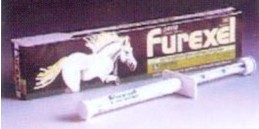
- Not effective against tapeworms
- No know resistances reported
-Safe for all breeding stock
STRONGID (Pfizer Animal Health) |
|

- Available in paste or granular form
- Safe for use with breeding stock
- There is known resistance to pyrantel based products
- Suitable for foals over 4 weeks of age
PYRATAPE |
|

- Safe for breeding stock
- Not to be used with severely debilitated horses
- 2 syringes as a single dose required for effective tapeworm control
ERAQUELL Contains Invermectin
|
|
VECTIN (Intervet) |
|
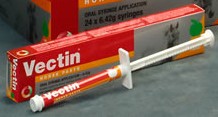
- an apple flavouredbroad-spectrum gel wormer
-
safe for in-foal mares
-
safe for foals and donkeys
PANOMEC (Merial) |
|

TELMIN |
|

NORMECTN |
VERM-X (Paddock Farm Partnership) Comprisingpurely herbal ingredientsso ideal if you are "organic" in your outlook Natural products so the risk of upsetting thedigestive system is eliminated so makes it an ideal wormer to use during the competition season |
|
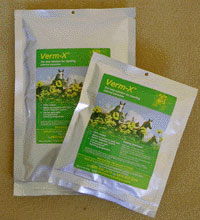
- Can be used occasionally, throughout the year or integrated with a conventional programme is required
-
Extremely palatable (contains cinnamon which horses just love)
- Fed twice daily over 5 consecutive days
-
Comes in powdered form for adding to feeds but can be mixed with water to form a paste so as to be given by syringe
- As effective for about 10 weeks only 4 doses a year are required
- Effective against tapeworms as well as all the other major parasites
-
Safe for horses of all ages and breeding stock
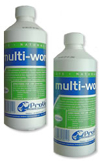
MULTI-WORM- the choice of E.M.T. |
|
______________________________________________________________________________
Please click through to the EQUINE SCIENCE UPDATE
website for more articles to read plus information on how to subscribe to a monthly newsletter.
______________________________________________________________________________